نوروز, also known as Nowruz, is a vibrant celebration that marks the arrival of spring and the beginning of the new year in the Persian calendar. This ancient festival, which has roots in Zoroastrianism, is celebrated by millions of people around the world, particularly in Iran and other countries with significant Persian cultural influence. In this article, we will explore the history, significance, and various traditions associated with نوروز, providing you with a comprehensive understanding of this joyous occasion.
The word نوروز translates to "new day" in Persian, symbolizing renewal and rebirth. Every year, نوروز falls on the vernal equinox, which usually occurs around March 20 or 21. The festivities span over two weeks, filled with family gatherings, cultural activities, and a variety of unique rituals that have been passed down through generations. As we delve deeper into this article, we will uncover the fascinating customs, foods, and practices that make نوروز a cherished holiday for many.
In addition to its cultural significance, نوروز also promotes values such as peace, friendship, and goodwill among people. The UNESCO has recognized نوروز as an Intangible Cultural Heritage of Humanity, highlighting its importance in promoting cultural diversity and intercultural dialogue. Join us as we explore the many facets of نوروز, from its historical roots to the modern-day celebrations, and discover why this festival holds a special place in the hearts of so many.
History of نوروز
نوروز is believed to have originated over 3,000 years ago among the ancient Persian people. It is closely associated with Zoroastrianism, one of the world's oldest monotheistic religions. The celebration of نوروز marks the beginning of spring, symbolizing the triumph of light over darkness and the rebirth of nature. According to historical texts, نوروز was celebrated by various Persian emperors, and it has been mentioned in many ancient Persian writings.
Throughout history, نوروز has evolved and incorporated various cultural elements from different regions. The festival has transcended national borders and is now celebrated by diverse ethnic groups, including Kurds, Turks, and Afghans, each adding their unique customs and traditions to the festivities.
Significance of نوروز
The significance of نوروز extends beyond just the arrival of spring; it represents a time for reflection, renewal, and hope. It is a period for individuals to cleanse their minds and hearts, letting go of the past and welcoming new beginnings. The festival encourages people to come together and strengthen their bonds with family and friends.
Moreover, نوروز promotes values such as peace, harmony, and reconciliation. It serves as a reminder of the importance of community and the shared joys of life. By celebrating نوروز, individuals reaffirm their cultural identity and heritage, fostering a sense of belonging and continuity.
Traditions and Customs
نوروز is rich in customs and traditions that vary from region to region. However, some of the most common practices include:
- Cleaning and decorating homes to welcome the new year.
- Visiting family and friends to exchange greetings and gifts.
- Partaking in special prayers and rituals to honor ancestors.
The Haft-Seen Table
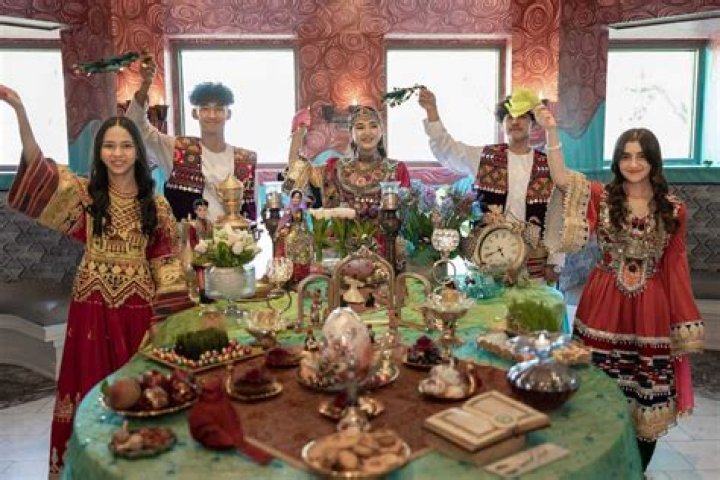
One of the most iconic symbols of نوروز is the Haft-Seen table, which is set up as a centerpiece in homes during the celebrations. The Haft-Seen consists of seven items that start with the Persian letter "S," each symbolizing a different hope or aspiration for the new year. The items typically include:
- Sabzeh (sprouted wheat, symbolizing rebirth)
- Samanu (sweet pudding, symbolizing power and strength)
- Senjed (dried fruit, symbolizing love)
- Seer (garlic, symbolizing health)
- Seeb (apple, symbolizing beauty)
- Somāq (sumac, symbolizing sunrise and patience)
- Serkeh (vinegar, symbolizing wisdom)
In addition to these seven items, other elements such as painted eggs, goldfish, hyacinth flowers, and a mirror are also included to enhance the symbolism of the table.
Family Gatherings and Celebrations
Family gatherings are an integral part of نوروز celebrations. People come together to feast, share stories, and enjoy each other's company. The two-week holiday is filled with activities such as picnics, outdoor excursions, and cultural performances. The festivities culminate in the Sizdah Bedar, where families spend the thirteenth day of نوروز outdoors, symbolizing the importance of nature and the environment.
Traditional Foods of نوروز
Food plays a central role in نوروز celebrations, with families preparing a variety of traditional dishes to share with loved ones. Some popular نوروز foods include:
- Sabzi Polo (herbed rice) served with fish
- Dolmeh (stuffed grape leaves)
- Kookoo Sabzi (herb frittata)
- Baklava (sweet pastry)
These dishes not only satisfy the palate but also symbolize abundance and prosperity for the coming year.
Global Celebrations of نوروز
نوروز is celebrated by various communities around the world, including in countries like Azerbaijan, Afghanistan, Central Asian nations, and parts of the Middle East. Each region adds its unique flavors and customs to the festival, showcasing the cultural diversity associated with نوروز.
In some countries, نوروز is recognized as a public holiday, with official celebrations and events organized by local governments. Parades, concerts, and cultural fairs are common, bringing together people of all backgrounds to honor this ancient tradition.
Cultural Importance of نوروز
As an important cultural event, نوروز promotes the values of community, friendship, and mutual respect. It serves as a reminder of the interconnectedness of humanity and the shared joys of life, regardless of cultural differences.
Furthermore, نوروز encourages people to appreciate the beauty of nature and the changing seasons, fostering a sense of gratitude for the blessings of life. The festival also provides a platform for cultural exchange and dialogue, promoting understanding and harmony among different communities.
Conclusion
In conclusion, نوروز is a celebration of renewal, hope, and togetherness. Its rich traditions and customs reflect the deep cultural heritage of the Persian people and the values that unite us all. As we celebrate نوروز, let us embrace the spirit of the festival by fostering peace, love, and goodwill in our lives.
We invite you to share your thoughts about نوروز in the comments section below. If you enjoyed this article, consider sharing it with friends or exploring our other articles that delve into the fascinating world of cultural celebrations.
Positive Closing
Thank you for reading! We hope you found this article on نوروز insightful and engaging. We look forward to welcoming you back for more enriching content that celebrates cultural diversity and traditions from around the world.